stories
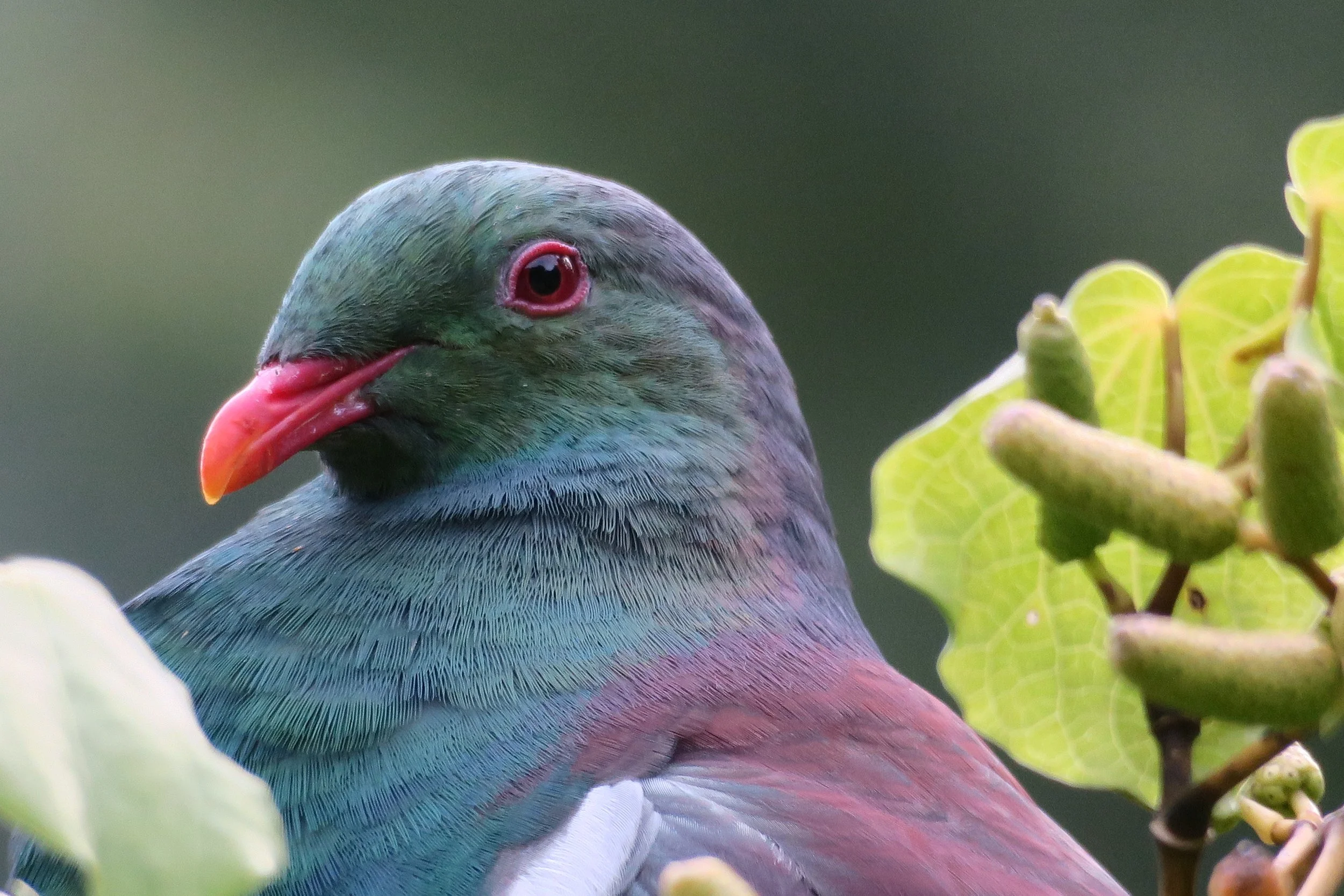
Image by Phil Lyver
Māori knowledge shows climate change domino effects on forest food chains
Mongabay, april 14 2026
Imagine a forest floor so thick with juicy, crunchy purple tawa (Beilschmiedia tawa) fruit in summertime that you can’t cross it without skidding and falling. Birds so fat with toromiro (Pectinopitys ferruginea) berries that they explode when you shoot them. Pigs that don’t bother to dig in the ground because there’s so much food on top of it for the taking.

A thunderstorm in the sky in Melbourne, Australia. Image by Jeren Tran/Getty Image
The Coming Pollen Storms
noēma magazine, august 21 2024
What does the climate crisis feel like in your body? It’s easier to imagine it in the form of large-scale, dramatic events: settlements swept away in floods, towns torched in wildfires. But for many of us it will make landfall in a multitude of more intimate ways.

Image by Bat Conservation International
Subterranean stronghold
biographic, april 17 2024
The first time he stared down the humid mouth of Nakanacagi Cave, on the Fijian island of Vanua Levu, Sanaila Tawake’s hands shook. He’d heard many stories about this place, its entrance half-hidden between mossy limestone boulders in a tract of old-growth dry forest on the island’s mountainous spine. That day, at twelve years old, he’d finally convinced an uncle to take him inside.

Inage by Merewalesi Yee
managed retreat? Please, not yet
hakai magazine, july 26 2023
Salt water is already seeping through gardens, under homes, and among the headstones on Serua Island, Fiji. As climate change rolls on, and as the sea level continues to rise, this low-lying island off the southern coast of Viti Levu, one of the country’s two largest islands, seems like an obvious candidate for relocation efforts—and its inhabitants the latest face of climate refugees. Fiji’s national government has offered its support to help the island’s 100 or so inhabitants move. Yet almost all are choosing to stay put.

Image by NZ Department of Conservation
the race to save the pekapeka-tou-poto, New Zealand’s unique bat
atlas Obscura, 14 september, 2023
“I remember getting a really big feeling of excitement when we first brought the traps down,” says Macdonald. “You could hear [the bats] running around, and it sounded like dripping water—it’s a really strange sound. And when you get the net down to the ground and you have a look at them, they pile up in the corners together, and they’re all chirping and yelling at each other. It’s actually madness.”

Image by Reutes/Alamy Stock Photo
Preparing for a Storm the Ni-Vanuatu Way
HAKAI MAGAZINE, 27 MARCH 2023
Mango flowers and hornets’ nests might seem strange bedfellows for meteorological satellites, but on Futuna Island, a craggy volcano at the eastern edge of the archipelago of Vanuatu, they play a critical role in helping local people predict extreme weather. “When the mango tree flowers early—before October—we know there will probably be a cyclone,” says Manuel Nawairea, a resilience officer for the humanitarian agency CARE International who was born on Futuna but now works on neighboring Tanna Island. “We also look at where the hornet builds its nest. Most of the time, it’s up in the trees, but when there’s a cyclone coming, it will build at ground level.”

Monkeyfaced bat [Pteropus rayneri], Bougainville. Image by Steve Richards
Wildlife Wins When Western Science and Traditional Knowledge Work Together
hakai magazine, 9 March 2023
When conservation scientist Junior Novera was growing up in Mapisi Village, on a bend of the Sinamut River in Bougainville, Papua New Guinea, he’d never heard the term conservation. There were sacred sites, treasured species, and complex rules governing people’s interactions with nature. But it wasn’t until he left the island for university and attended an intensive course with the Wildlife Conservation Society that the concept—as defined by Western science—became clear.

A whale and her calf do a double breach off the coast of Niue. Image courtesy of Oma Tafua.
SMALL ISLAND, BIG OCEAN: NIUE MAKES ITS ENTIRE EEZ A MARINE PARK
MONGABAY, 3 NOVEMBER 2022
When Niueans are babies, their parents traditionally take them down to the seashore and throw them in the water so they learn to swim, Mona Ainu’u told Mongabay. That’s more important in Niue than most places. The country’s 260-square-kilometer (100-square-mile) land area is a single chunk of coral jutting out of the South Pacific Ocean; its closest neighbor, Tonga, is some 600 kilometers (325 nautical miles) away. With so little solid ground, the ocean also needs to be home.